
- Solutions
AI Strategy and Transformation

Why Most Enterprise AI Pilots Never Execute As Intended
DynaSUM AI Strategy Lifecycle | Assessment to Autonomy
Our AI & Digital Strategy engagement is a structured assessment and roadmap that determines exactly where your organization can deploy autonomous agents safely.
AI Readiness and Data Architecture
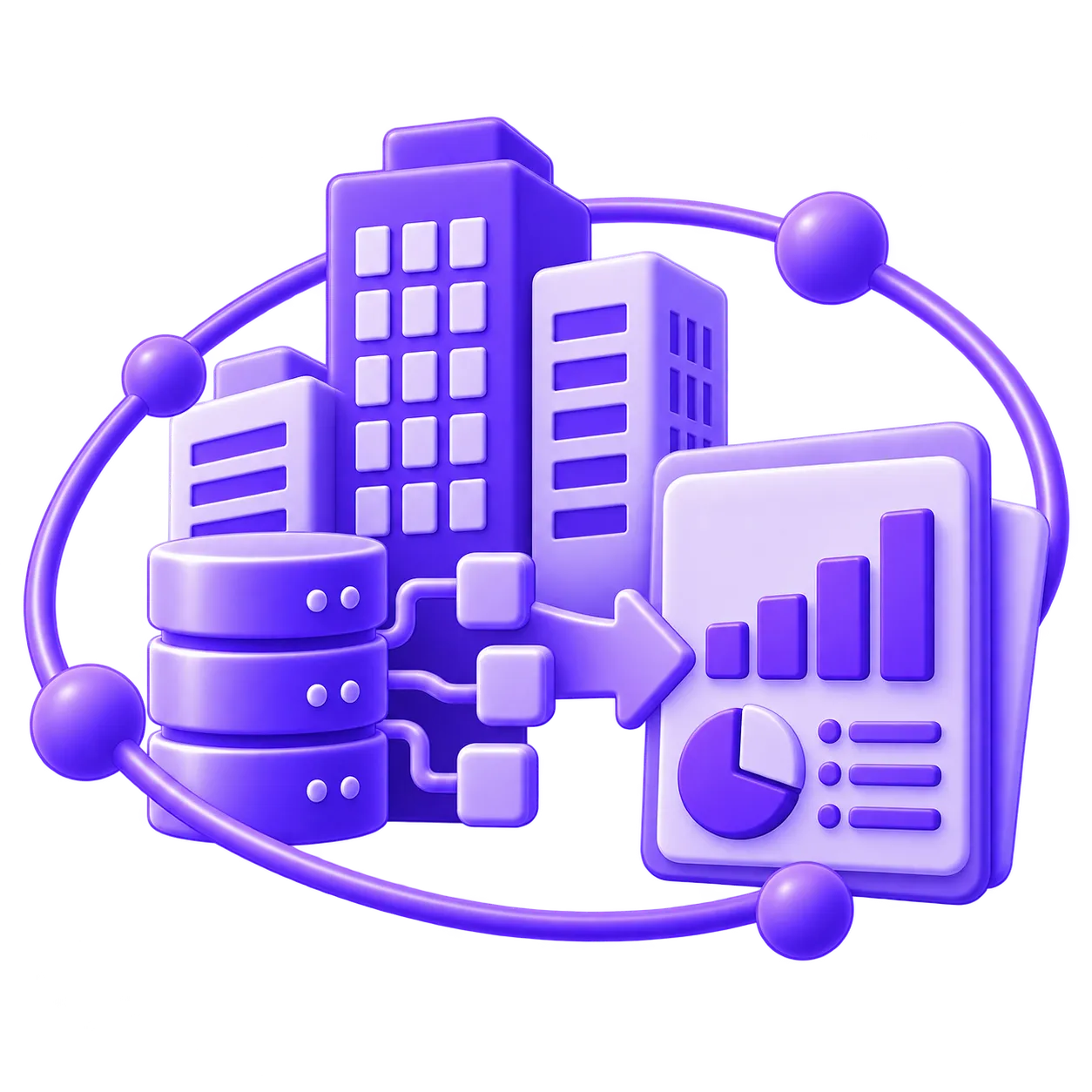
We audit your existing tech stack used to process and run production data within your organization. Our experts evaluate schema consistency across Dataverse and Azure data lakes, identify duplicate or orphaned records from legacy migrations, and consolidate fragmented transactional data into Microsoft Fabric.

Agentic Use-Case Prioritization
We identify operational processes like three-way match exceptions in AP, intercompany reconciliation, vendor onboarding, and demand forecasting adjustments, where Copilot Studio and Azure AI deliver measurable operational lift without requiring a full platform rebuild. Prioritization is based on transaction volume, exception frequency, and existing process maturity, not novelty.
Security and Governance Frameworks
DynaSUM experts configure role-based access through Microsoft Entra ID so agents only reach the data scoped to their function, and we apply Microsoft Purview sensitivity labels and data loss prevention policies so no agent can surface or act on information outside its mandate.

Execution Roadmap
The output plan we build works on a phased execution policy. The sequence we build moves from static, rules-based automation to supervised agentic workflows, then to fully autonomous operations with defined escalation paths.

From Technology Solutions to Operations Assistance
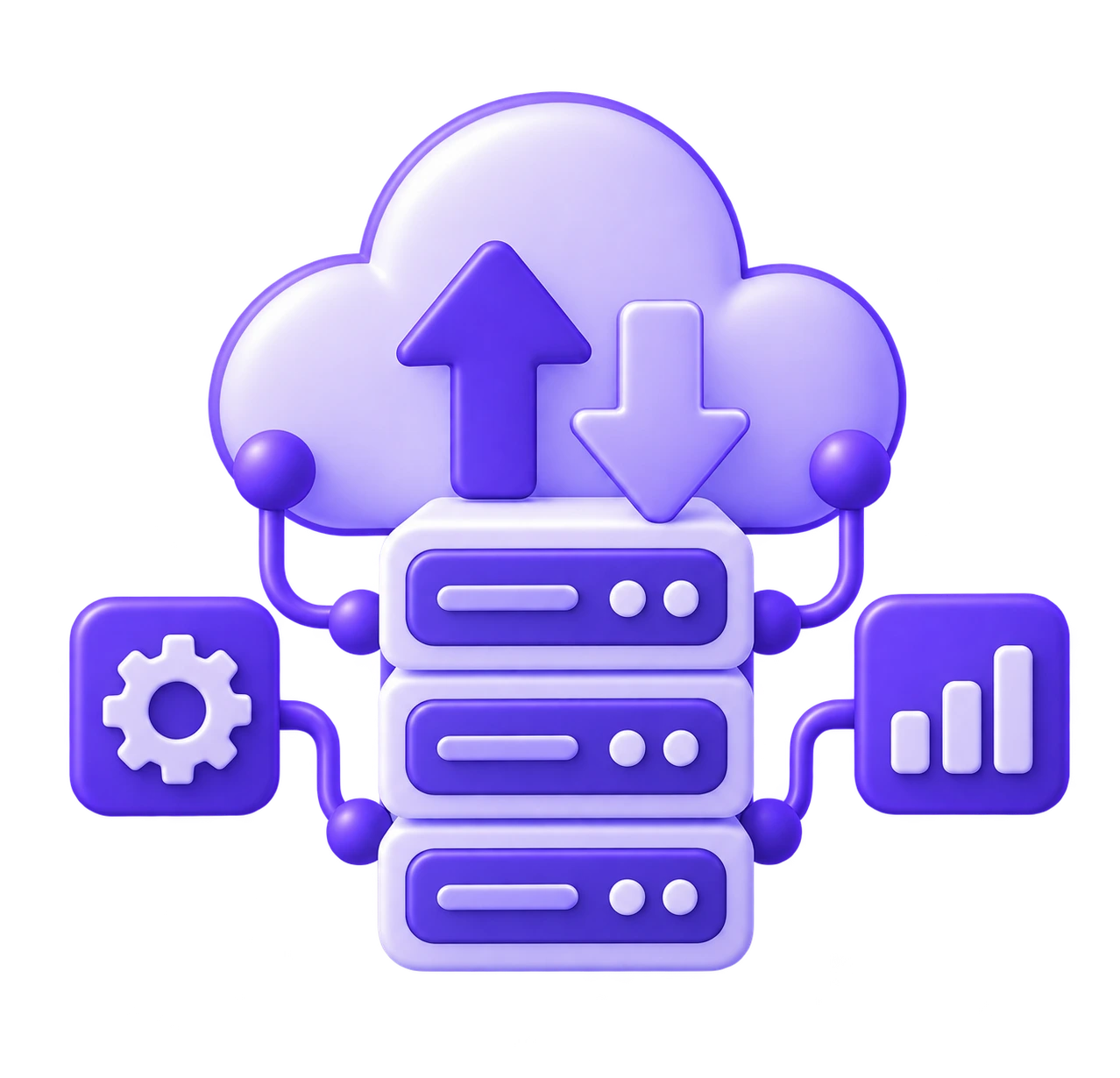
DynaSUM's strategy work is built differently because our delivery model doesn't end at deployment. We advise on the architecture, build the Microsoft solution, and integrate it into Dynamics 365 and surrounding systems.
Three Core Capabilities
AI Strategy Development
AI Transformation Orchestration
AI Operating Model Design
We also operate the underlying finance and back-office function using the AI we deployed. Our BPO services offer the continuity your business and team demand after agentic systems integration within the workflows.
Our AI Governance Model | Autonomous Execution with Human Oversight
Our governance methodology begins with understanding the business processes and their limitations.
Workflow Baseline Definition
We diagnose your business processes to explicitly define what constitutes a routine transaction, what triggers an exception, and exactly where human judgment is required.
Standard Capability Mapping
We align these operational definitions against native Microsoft ecosystem features first, engineering custom agentic AI systems only when standard functionalities cannot fulfill the business requirement.
Deterministic Execution Thresholds
We deploy agents to operate strictly within predefined tolerances, empowering them to autonomously execute high-volume, routine transactions such as matched invoices, standard-variance reconciliations, and policy-compliant approvals.
Automated Operator Escalation
Any event falling outside defined parameters, including ambiguous vendor terms, unusual financial variances, or first-time exception types, is instantly halted and routed to a human operator for secure, compliant resolution.
Executive Alignment for AI Strategy and Solutions
CFO and COO
The AI strategy we build for your organization is framed around capacity and existing talent. Autonomous agents absorb transaction volume during peak close cycles without needing you to hire additional resources and increase labor costs.
Our agentic systems ensure your month-end reconciliation cycles compress as the agents handle routine matching and flag only genuine exceptions for review.
Over time, this shifts a portion of BPO spend from fixed cost to a variable cost with an AI-augmented model that aligns with transaction volume rather than headcount.
CTO and CIO
For the governance side, we frame the AI strategy and solutions around effective control. Legacy platforms like Dynamics GP, NAV, and AX are addressed explicitly as technical debt that is due for modernization.
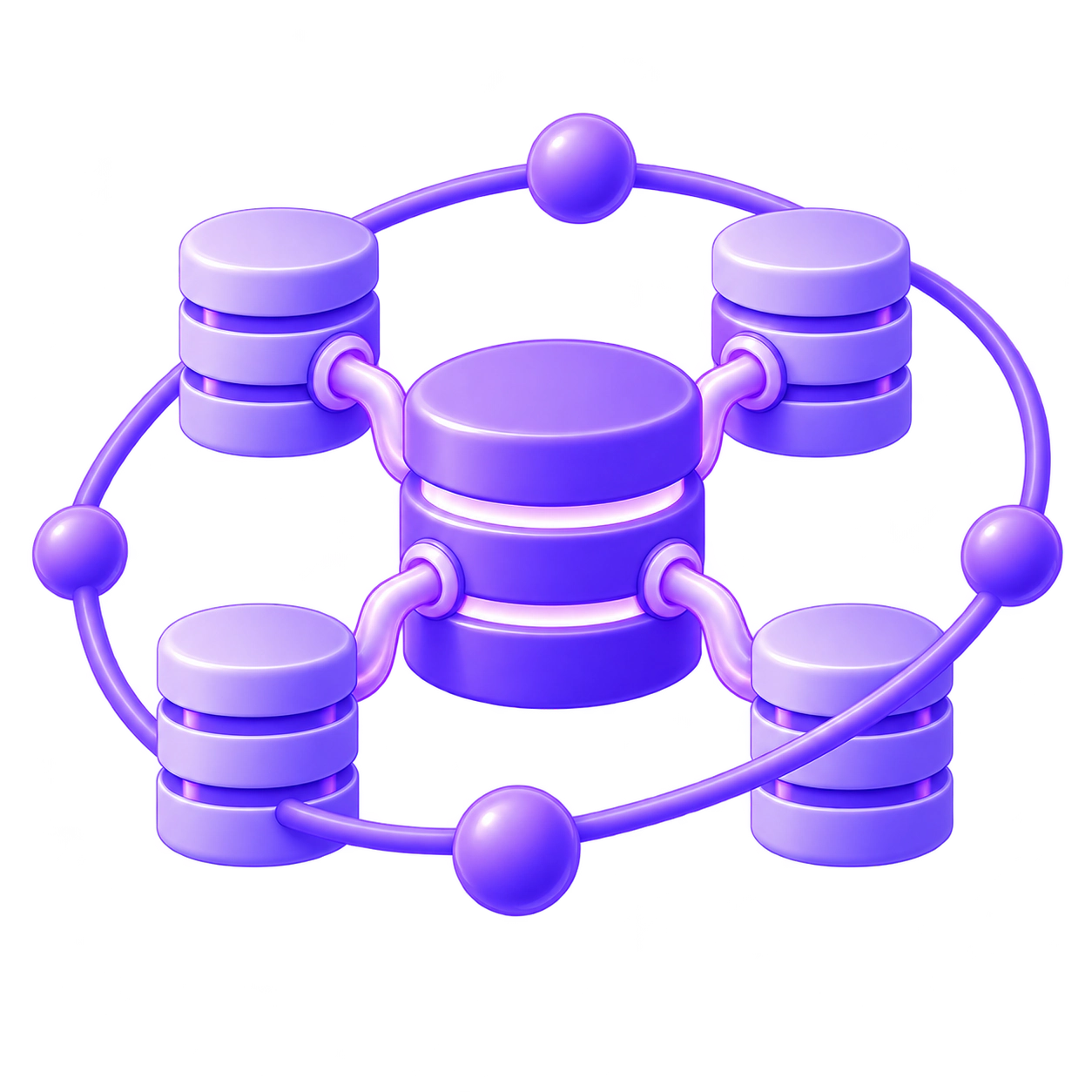
Moreover, fragmented systems within the organization undergo consolidation planning, and we build the new foundation using governed Dataverse and Fabric architecture.
The roadmap establishes a Center of Excellence structure so AI deployment doesn’t proliferate as ungoverned, department-level tooling outside IT’s visibility.
Discover the Right Agent for your Business Process.
DynaSUM plans, strategizes, builds, manages, and maintains Agentic systems for your organization. Our AI strategy experts begin with a comprehensive analysis of your business workflows to recommend the plan ahead.
FAQs
1. How long does it take for you to complete our Agentic AI strategy development process?
Most AI strategy developments take two to four weeks to complete. But the final timeline depends on the number of business units and existing systems in scope. We deliver a scoped readiness assessment and phased execution roadmap you can use to build your Agentic AI systems.
2. Do we need to migrate all our processes and data to the cloud to build an AI strategy?
The AI strategy workshop completed by DynaSUM experts is meant to determine these things. Which data needs to be migrated, what’s your cloud readiness, what’s your AI readiness? We identify which workloads are ready now and which require modernization first, including legacy ERP platforms still running on-premises.
3. How does DynaSUM secure proprietary data during AI deployment?
We use Microsoft Entra ID role-based access and Microsoft Purview sensitivity policies when handling proprietary data. The agents are configured to gain access according to the authorizations provided to your team. Employees who don’t need access to certain information will have similar restrictions for the AI agents they use.
4. Can your strategy integrate with non-Microsoft ERPs like SAP or Oracle?
We architect Fabric and Dataverse as the integration layer, connecting agentic workflows to non-Microsoft systems where they remain part of your operating environment.
5. What's the difference between Copilot integration and an Agentic Strategy?
Copilot integration adds AI assistance to existing manual steps and assists your team with summarization, finding answers to general queries, and more. An agentic strategy redesigns the workflow so qualifying transactions execute end-to-end without manual intervention.
Still have questions?
We’re happy to help. Reach out to discuss your needs, challenges, and how AI can fit your business.